A bowl of medicinal porridge, a calming sachet, a romance propelled by the diagnostic rhythm of "looking, listening, asking, and palpating the pulse"—these elements are crossing cultural boundaries through the screen and resonating with overseas audiences. In the hit Chinese-language drama The Best Thing, spring cherry blossoms fall like rain over Jiangnan gardens as the male lead, He Suye—a Traditioinal Chinese Medicine (TCM) physician whose name derives from the herbal medicine suye (perilla leaf)—brews his own sour jujube seed tea to ease the female lead's insomnia and anxiety. Such tender moments are a modern-day interpretation of the Huang Di Nei Jing (an ancient Chinese medical text) principle that "the best physician treats illness before it arises." In Suye's eyes, the heroine's anxiety and insomnia are not isolated symptoms, but early warning signals emitted by the body–mind system—a "pre-illness" state in which liver qi is on the verge of stagnation and the spirit nearly depleted.

The Best Thing topped the Chinese drama chart of iQIYI International's 2025 Global Content Popularity Rankings
Recently, iQIYI International released its 2025 Global Content Popularity Rankings. Platform data show that over the past year, viewership on iQIYI International grew by 114.5% year on year, driven primarily by Chinese-language titles such as The Best Thing, Lingwu Continent, and Nezha: Birth of the Demon Child. The Best Thing, which deeply integrates TCM culture into a contemporary urban romance, topped the Chinese drama chart. Its depictions of herbal medicine sparked enthusiastic responses on TikTok and other overseas social platforms: "After watching this show, I started drinking licorice root water and apple–red date–goji berry tea," "I wish I could copy down all the herbal recipes," "Just had chicken soup stewed with Chinese herbs tonight," "TCM is truly magical." This chart-topping success was not a fleeting traffic surge, but a case of cultural "soft landing" achieved through narrative adaptation and emotional connection—allowing audiences of different cultural backgrounds to understand it, remember it, and want to share it, ultimately bridging the gap from "cultural export" to "cultural identification."
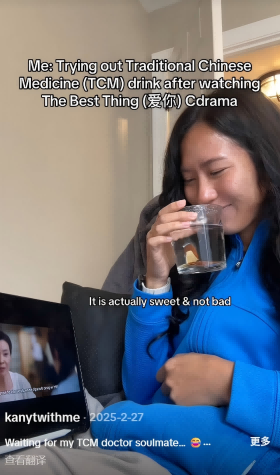
A Thai influencer posted a TikTok video of herself drinking licorice root water after watching The Best Thing (source: TikTok account @kanytwithme)
Chinese Film and Television: The "Universal Grammar" of China's Cultural Globalization

Poster for The Best Thing
As a key vehicle for China's cultural outreach, Chinese film and television first demonstrate their power through a "universal grammar" that transcends linguistic barriers. Unlike classics or philosophical texts that require extensive explanation, audiovisual storytelling works directly on the senses and emotions through imagery, music, performance, and universally shared feelings. The Best Thing does not lecture on TCM theory; instead, it draws viewers naturally into a life suffused with herbal aromas and Eastern aesthetics through the characters' joys and sorrows. This immersive, emotion-first experience bypasses preconceived notions and cultural distance, establishing an intuitive and positive "first impression" of Chinese culture among overseas youth—an essential step from unfamiliarity to acceptance.
Moreover, Chinese film and television provide a "conversion interface" that renders abstract cultural concepts tangible and relatable. Philosophical ideas such as "the unity of heaven and humanity" or "benevolence, harmony, and humility" can seem abstruse when exported as pure concepts. On screen, however, they become embodied in interpersonal relationships, family ethics, and everyday life. TCM wisdom—such as "preventive treatment" and "mind–body balance"—is made perceptible through characters adjusting their health and managing stress in daily routines. By embedding cultural essence within character arcs and shared human destinies, Chinese film and television become one of the most vivid and persuasive channels for telling China's stories and articulating Chinese values, enabling a shift from "exporting cultural products" to engaging in "dialogue of cultural ideas."
Southeast Asia: From Traditional Box Office to Strategic Pivot
Southeast Asia has long been a major overseas market for Chinese films and long-form series—and now stands as a strategic pivot for Chinese audiovisual culture going global. Geographically close and culturally connected to China, the region has been an overseas market since the 1920s–30s; box office returns from Nanyang once served as a key benchmark for Chinese studios. In the 1980s–90s, the golden age of Hong Kong cinema and the emotional depth of mainland TV dramas—especially Jin Yong's wuxia (marticial arts) IPs—took deep root in Southeast Asia, building a solid audience foundation.

Poster for Story of Yanxi Palace
Today, fueled by digital technology and content innovation, this traditional market is experiencing a revival and becoming a bridge between Chinese culture and global youth. Data show that in 2024, viewership of Chinese audiovisual content in Southeast Asia grew by over 100% year on year. Platforms such as iQIYI International and Tencent Video's WeTV, through localized operations, brought series like Story of Yanxi Palace and Douluo Continent into the mainstream, achieving breakthroughs in both commercial value and cultural impact. In 2025, Chinese content continues to show strong momentum in Southeast Asia, emerging as a major growth pole in global cultural export. Chinese streaming platforms now account for about 40% of the Thai market—surpassing Netflix's 30%. Tencent Video's WeTV has exceeded 250 million downloads across 173 countries and regions, hosts over 40,000 hours of Chinese content, offers services in more than ten languages, and has become a top-tier streaming platform in Southeast Asia—demonstrating the robust competitiveness of Chinese content in the region.
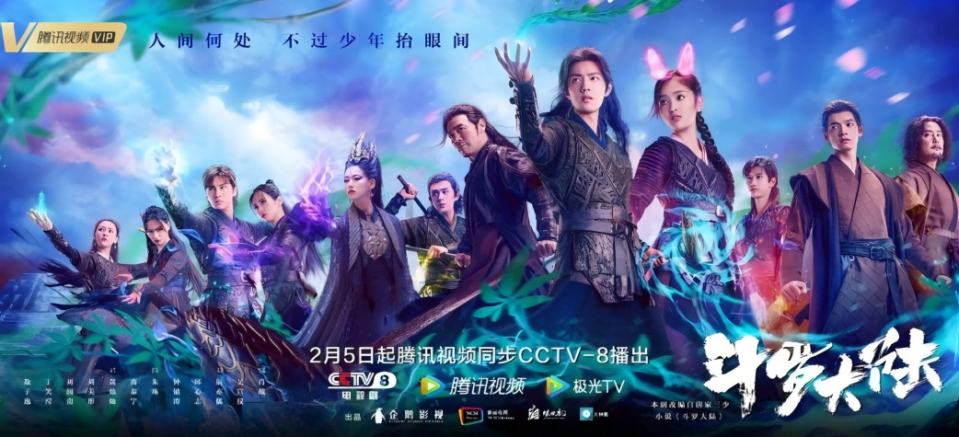
Poster for Douluo Continent
Beyond long-form content, micro dramas are rapidly becoming a new favorite in Southeast Asia. Typically 1-3 minutes per episode with 20-50 episodes per series, this format perfectly matches the region's fragmented viewing habits and mobile-first scenarios. Chinese micro-dramas have performed especially well overseas, particularly in Southeast Asia. Statistics indicate that more than 300 overseas apps featuring Chinese micro dramas are now available; by 2025, global cumulative downloads are expected to reach 1.21 billion, with overseas revenue projected at USD 2.38 billion—reflecting strong growth. With vivid plots, tight pacing, and cultural resonance, Chinese micro dramas have sparked binge-watching trends in Southeast Asia and become a new medium for cultural exchange between China and neighboring countries.
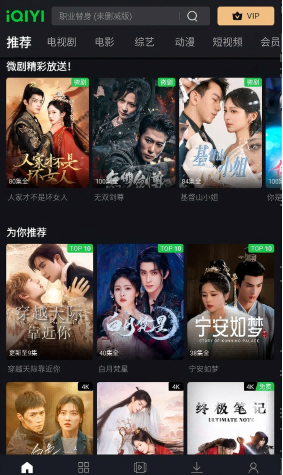
iQIYI International APP interface
TCM in Southeast Asia: From "Commodity Circulation" to "Narrative Entry"
The popularity of The Best Thing offers a lens into a profound economic and cultural phenomenon. Data show that 85.5% of China's TCM product exports go to Asia, with Southeast Asia as the core market. This region has long been fertile ground for TCM globalization: in Vietnam, annual demand for Chinese herbal medicines reaches 50,000 tons, about 80% imported from China; from Singapore and Malaysia to Indonesia, mature TCM institutions, training programs, and manufacturing facilities are widespread.
Yet a contrast persists. Despite high product penetration, TCM in Southeast Asia—especially among non-Chinese communities and younger generations—is still largely positioned as an "alternative therapy" or a functional "commodity." The market is at a turning point: consumers are moving from trust in "product efficacy" toward a deeper desire for "brand stories" and "cultural meaning." As TCM products have already entered Southeast Asia at scale, can TCM narratives—as culture—open hearts in the same market?
Emotional Storytelling: The "Soft Conversion" of TCM Culture
The Best Thing provides a compelling example: retelling ancient cultural stories in a "new language" that audiences can understand and enjoy. This achieves a "soft conversion" of hardcore knowledge and a "universal connection" of cultural symbols. Rather than bluntly explaining yin–yang and the five elements, the series binds diagnosis and herbal pharmacology to life aesthetics and emotional bonds. Lines like "Albizia bark soothes the mind; polygala calms the spirit" transform herbs into subtle, romantic symbols; the diagnostic ritual of looking, listening, asking, and palpating becomes a unique emotional choreography between the leads.
This "emotion-first, aesthetics-infused" narrative is essentially a cinematic translation of TCM's cultural core—transforming a specialized discipline into a perceptible, aspirational modern lifestyle and emotional philosophy. It suggests that future TCM-themed creations should move beyond "legendary physicians" or didactic theory, boldly embedding TCM elements into contemporary genres familiar to Southeast Asian audiences—urban, romance, family dramas—so that they organically drive plot and character, rather than appearing as rigid cultural labels.
System Building: From "Viral Hits" to an "IP Matrix"
In the long run, building a deeply resonant TCM cultural brand cannot rely on the "viral effect" of a single series; it requires a multi-format, three-dimensional, localized content matrix—an upgrade from "single-title export" to "systematic IP operations."
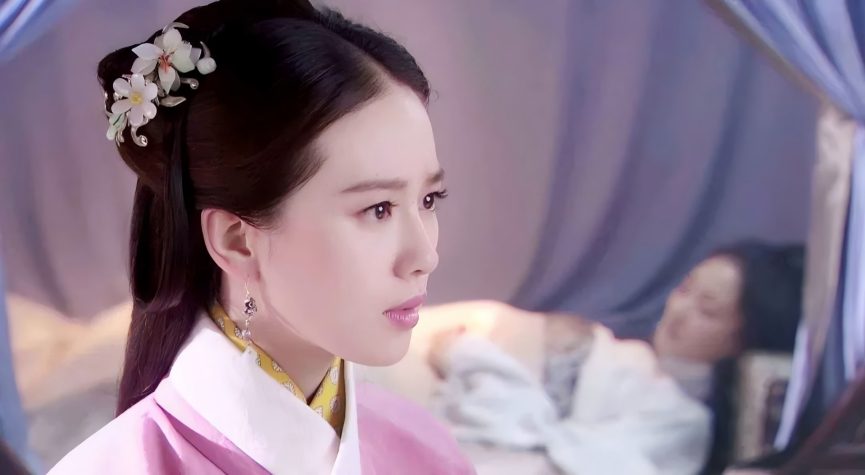
Poster for The Imperial Doctres
Diversify content formats. Beyond long dramas like The Imperial Doctress, draw on documentary successes such as The Tale of Chinese Medicine to showcase the visual splendor of herbs, while actively developing micro dramas and micro documentaries suited to Southeast Asia's short-video habits. For example, create a series about a young TCM practitioner opening a clinic in a Southeast Asian city, resolving common local health issues while integrating local cuisine and herbal wisdom.
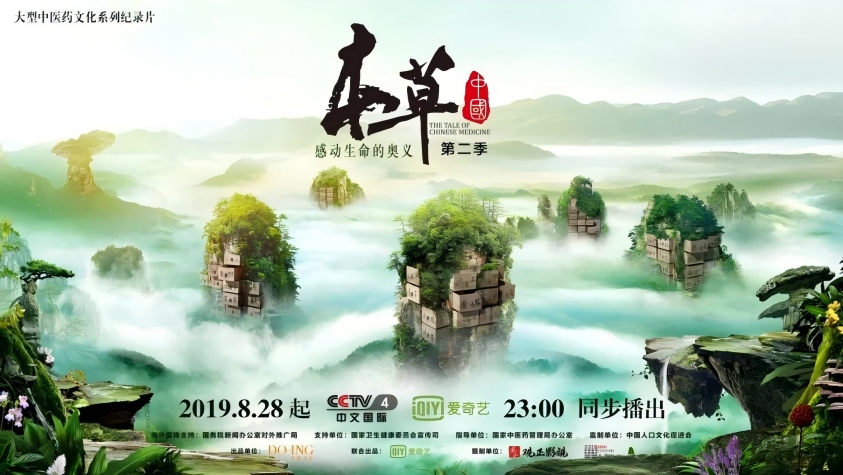
Poster for The Tale of Chinese Medicine
Deeply localize narratives. Localization is more than translation—it is a fusion of cultural perspectives. Productions can explore dialogues between TCM and local traditional medicine systems (such as Indonesia's jamu), or depict how TCM adapts to local climates and lifestyles. By adopting a posture of "respecting the local and seeking common ground," TCM can shed the "foreign import" label and be embraced as living health wisdom—evolving in Southeast Asian audiences' minds from "Chinese medicine" into a "global health lifestyle option."
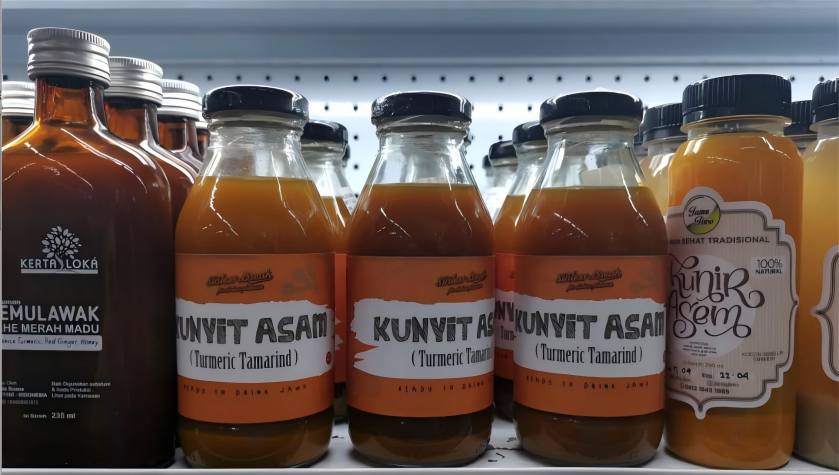
Indonesian jamu drinks
Integrated Marketing: Innovations in Screen Placement and Digital Outreach
Diversified marketing has become an effective way for TCM brands to break cultural barriers and reach younger consumers. These approaches not only boost brand awareness but also reshape perceptions through emotional resonance and cultural identification.

Poster for The Healing Path
Screen placement has proven effective in Southeast Asia. The Best Thing touched young audiences by weaving TCM into a modern romance. The documentary The Healing Path used global field reporting—such as Southeast Asian herbal markets and TCM AI research in Silicon Valley—to lower cultural barriers through "scenes + people + dialogue." In its first month, the show surpassed 10 million views, generated 200,000 topic shares, and drew active engagement from non-Chinese speakers—marking a shift from "content going global" to "cognition going global."
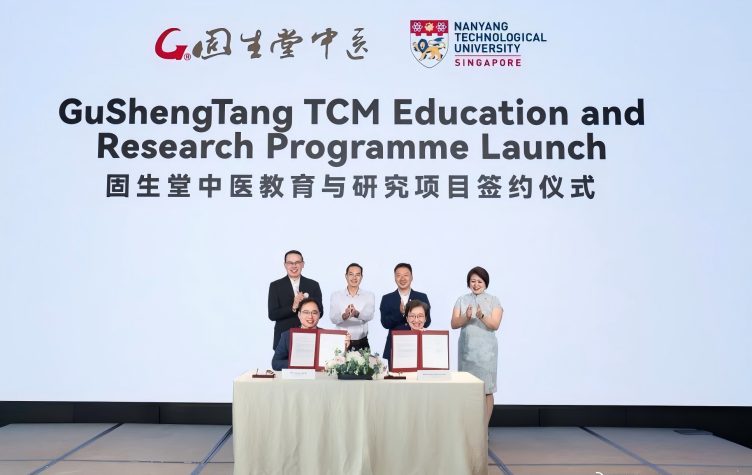
GuShengTang TCM Education and Research Programme Launch
Social media and digital marketing show strong reach and conversion. GuShengTang launched a "TCM AI Avatar" in Singapore, building an intelligent diagnostic system based on 30 years of clinical experience from ten renowned physicians, while releasing the Foreigners Talk TCM series on TikTok and YouTube with multilingual subtitles and KOL interaction to attract youth. Xingqun's Er Tian You pioneered scent marketing—deploying "immersive Lingnan herbal oil experiences" in elevator ads across 1,200 office buildings in Guangzhou and Shenzhen—combining visuals and scent to rebrand traditional medicated oil as a "modern energy booster."
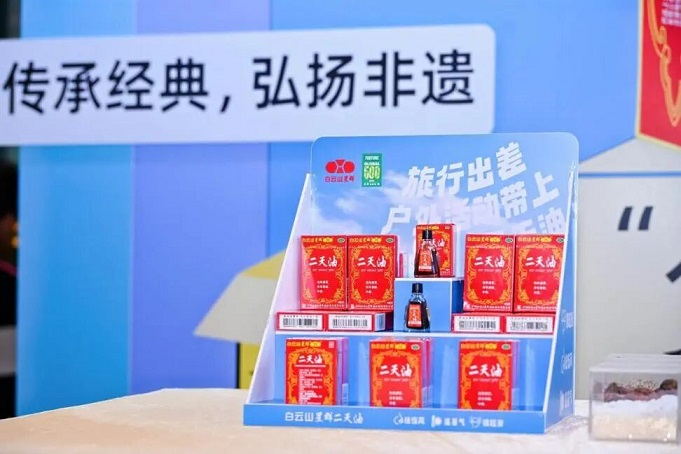
Xingqun's Er Tian You scent marketing (source: xingqun.com)
Overseas Chinese Networks: Natural Bridges of Cultural Identification
Some 30 million ethnic Chinese in Southeast Asia serve as natural practitioners, consumers, and cultural bridges for TCM. Chinese-language schools, media, and associations form a complete cultural transmission network. Integrating audiovisual dissemination with these networks creates a closed loop—"content creation → media promotion → community practice"—providing strong support for TCM brands to localize and take root.
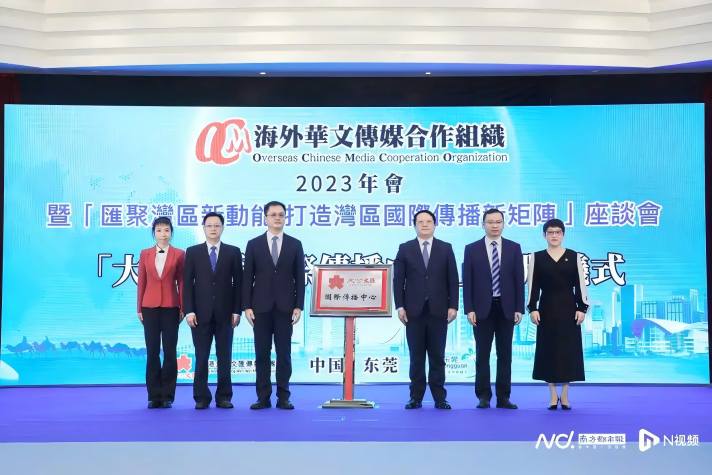
The Overseas Chinese Media Cooperation Organization's 2023 annual conference held in Dongguan, China
Chinese-language media play a central role in overseas Chinese communities, promoting Chinese culture, safeguarding community interests, and educating younger generations. The Overseas Chinese Media Cooperation Organization (OCMCO) publishes 33 overseas editions of Wen Wei Po and operates an information-sharing platform to facilitate news and multimedia collaboration. The Guangxi International Communication Center has established content-sharing mechanisms with Chinese-language media in ASEAN countries, deepening cooperation in news and cultural exchange.
Chinese associations act as organizers and catalysts. For instance, Malaysian Chinese organizations host screenings of TCM-themed films and invite practitioners for on-site explanations, translating screen content into lived cultural experiences. The National Committee of the Chinese People's Political Consultative Conference (CPPCC) research group has found that younger overseas Chinese are a new force in cultural transmission; through animation, film, games, and intangible heritage—formats they enjoy—cultural inheritance can shift from "passive reception" to "active participation."
Strategic Pathways: Educational Partnerships and Industry Integration
Deepen educational cooperation and cultivate local talent. Partner with universities in Southeast Asia (such as Nanyang Technological University in Singapore and Universiti Tun Hussein Onn Malaysia) to offer TCM courses, majors, or even schools (e.g., Laos-Suzhou University), providing systematic education from certificates to degrees. This builds professional capacity and an academic foundation for cultural dissemination.
Innovate communication vehicles and integrate industries. Leverage the internet, social media, and short video to produce localized, interactive content for rapid reach. Integrate TCM culture with tourism (TCM wellness travel), film and television, and publishing to tell TCM stories in more vivid and accessible ways, enhancing cultural appeal.
Conclusion: The Future Resonance of Herbal Fragrance and Heartbeats
The success of The Best Thing is not an isolated case, but a microcosm of TCM culture finding a soft entry into the Southeast Asian market through modern storytelling. It reveals a core rule of cultural communication: when rigorous traditional wisdom dons a gentle narrative cloak, and ancient symbols are deeply bound to modern emotional experiences, cross-border resonance emerges naturally.
TCM brand-building in Southeast Asia is undergoing a profound shift—from "product export" to "cultural dialogue," from "functional trust" to "value identification." Future success will belong to innovators who, through diverse formats, localized perspectives, and emotional warmth, translate TCM wisdom into a global language of healthy living. In this process, audiovisual storytelling is not merely a carrier of culture, but a shaper of brand value and a re-builder of market perception. (Author / Wen Yanqing, Editor / Cheng Yingzi)


